
El Paso Car Accident Attorneys — Carabin Shaw Law Firm
Car accidents affect everyone. If you haven’t been in a crash yet, you’re paying for car insurance right now in case you are — and if it happens, you will face decisions in the immediate aftermath that can significantly affect your health, your finances, and your legal rights. Car crashes are always unexpected and traumatic, and it’s nearly impossible to prepare for how they will unfold. Understanding what happens from the moment of impact through the days that follow helps accident victims protect themselves at every stage. 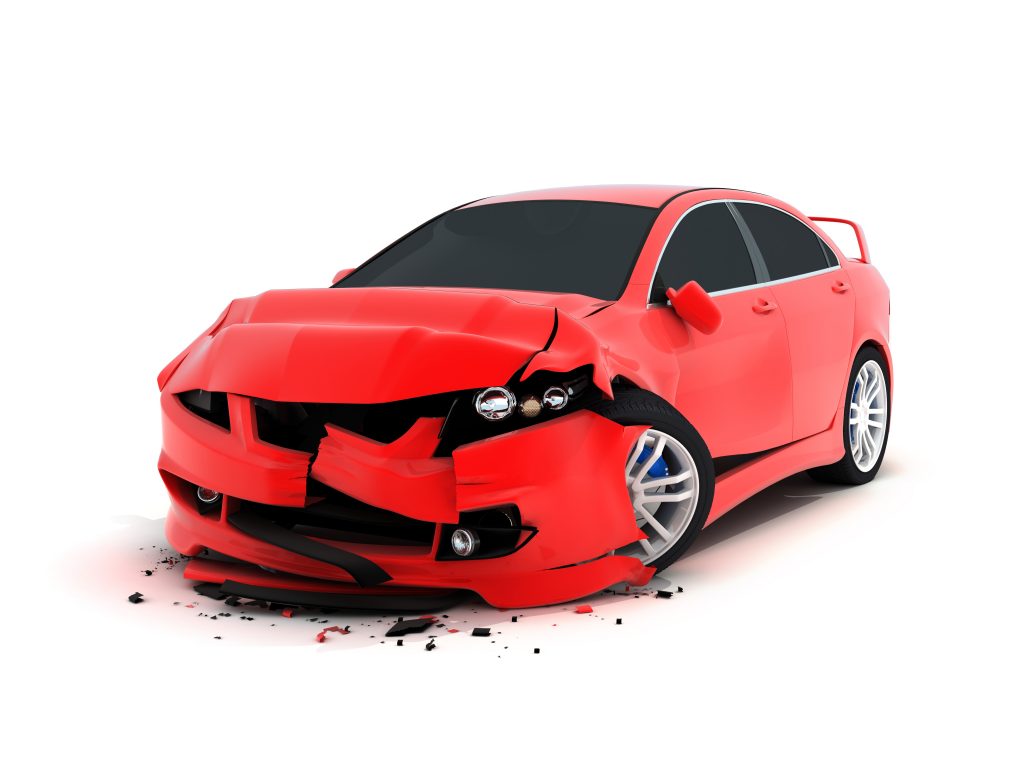
The Trauma of the Impact
There are actually three distinct traumatic impacts in every significant car accident. The first is vehicle against vehicle, causing structural damage. The second is the driver’s body striking the interior of the car — pulling against the seatbelt, hitting the steering wheel, airbag, dashboard, or windshield. The third, and least understood, is the internal organ impact. The brain, for instance, floats in cerebral fluid inside the skull. When a collision occurs, the brain is thrust forward and then backward, striking the front and back of the skull — producing hematomas, concussions, or other traumatic brain injuries that may not be immediately apparent. More on this website.
The emotional effects of a crash compound the physical. Adrenaline rushes and the perception that time has slowed are common responses, and they frequently mask physical pain in the immediate aftermath. Many people refuse medical treatment at the scene because they feel no pain. This does not destroy a personal injury claim — it is so common for pain and injury symptoms to surface the next day that claims remain valid even when treatment begins 24 hours after the accident. Getting checked out as soon as pain appears, whether at an emergency room or with a primary care physician, matters both for health and for preserving the integrity of any future claim.
The Immediate Aftermath and the Police
The first question most people have after a crash is what to do. The answer is to call the police — even in situations that seem minor enough to resolve between the drivers. A professional officer assessing the scene provides protection that informal agreements do not. Inexperienced or younger drivers persuaded to “work it out” between themselves may be taken advantage of by an unscrupulous other party. More practically, if police are not called, the other driver may later report the accident and the driver who left without filing a report could be cited for leaving the scene. 
When officers arrive, they assess the scene, document injuries and property damage, collect contact information from all parties, determine fault, and issue any applicable citations. All of this goes into a Traffic Crash Report that becomes a foundational document for insurance claims and any legal proceedings that follow. The case number from this report must be preserved carefully.
Car Insurance, Health Insurance, and Your Legal Situation
The day after an accident often brings delayed pain and stiffness as adrenaline wears off. Seeking medical care promptly at that point is critical for two reasons: recovery and documentation. If treatment is not sought within a day or two, or if a driver fails to follow medical advice consistently, the at-fault driver’s insurer will argue that the gap in treatment proves the injury was caused by something other than the accident. Non-compliance with medical treatment can result in a denial or significant reduction of any recovery. Car crash claims turn substantially on the quality of the medical record created in the aftermath.
On property damage, the injured party has a choice: use their own collision coverage and trust their own insurer, or pursue the at-fault driver’s insurance and avoid paying a deductible. That decision depends on the individual’s relationship with their insurer and available funds. On medical bills, the process works differently than many people expect — the at-fault driver’s insurance does not pay bills as treatment proceeds. Bills are paid initially through health insurance or out of pocket, and reimbursement from the at-fault insurer comes at settlement. Health insurance companies are entitled to reimbursement from any settlement for what they paid in treatment costs. Medical Payments coverage (Med-Pay) under an auto insurance policy may also contribute to treatment costs, but many health insurers require Med-Pay to be exhausted before their coverage kicks in — understanding which applies is important.
On the legal side, the key questions are whether tickets were issued and whether injuries occurred. If the other driver received a ticket and the non-ticketed driver wants it to stand, showing up on that driver’s court date is essential — because the non-ticketed driver is the only party with personal knowledge of how the accident happened. Conversely, if a ticketed driver appears on their court date and the other driver does not, the ticket will likely be dismissed for the same reason. As for injuries, anyone hurt in an El Paso car accident should consult with a qualified car accident attorney to understand exactly what compensation may be available and how to proceed.

Leave A Comment
You must be logged in to post a comment.